
A New Approach to Old Pain: Considering Shockwave Therapy
Let’s talk about a problem I hear about all the time: stubborn pain. Maybe it’s in your elbow every time you lift a coffee cup. Perhaps it’s a sharp stab in your heel with your first morning step. You’ve tried rest, maybe some ice, and even a few exercises from a video online. But the ache just won’t quit. It feels stuck. This is exactly the kind of pain that makes people ask about shockwave therapy. It sounds a bit like science fiction, I know. The name itself can be intimidating. But in our clinic, it’s simply another tool, a very effective one, for telling your body to finally heal a problem that’s been lingering for months. At Right Care Rehab, we use it carefully, for the right people, with clear goals in mind.
How Can Sound Waves Help Heal My Pain?
The first question everyone has is how it even works. It’s not electric shock, so let’s clear that up right away. Think of it more like targeted sound energy. The machine delivers gentle pulses, like tiny, precise sound waves, deep into your sore tissue. Imagine tapping on a door to get someone’s attention inside. That’s what these pulses do. They create a micro-stimulation in the area that’s been stuck. This stimulation tells your body, “Hey, we need to pay attention over here again!” It jumpstarts your natural healing process, bringing fresh blood flow and nutrients to an old injury. It’s like waking up a part of your body that’s fallen asleep on the job. The team at Right Care Rehab is trained to use this tool with precision, focusing only on the specific area that needs that wake-up call.
The Right Fit: Who Might Benefit from This Treatment?
Shockwave therapy isn’t for every ache and pain. It has a specific sweet spot. It works best for chronic tendon issues, those grumpy, long-term problems where the tendon just won’t calm down. The classic example is tennis elbow, even if you’ve never held a racket. Another prime candidate is plantar fasciitis, that awful heel pain that makes mornings miserable. It can also help with shoulder tendon pain and some types of knee tendon trouble. The common thread is a tendon that’s been irritated for a long time. If your pain is brand new or comes from a nerve, this likely isn’t the right tool. During a consultation at Right Care Rehab, we’ll take a full history and do an exam to see if your story fits this specific picture.
What a Session Feels Like: A Walk-Through
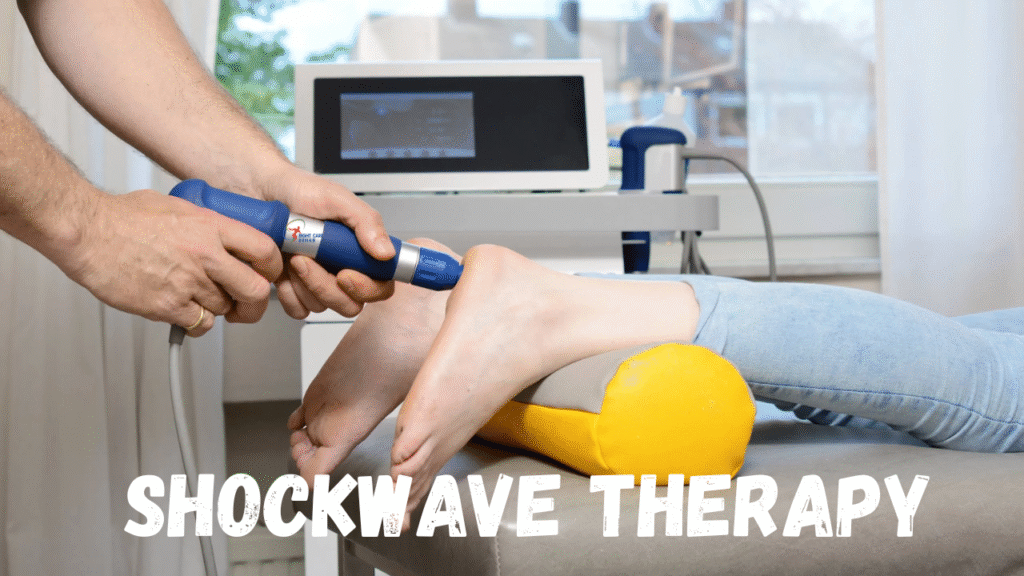
I always tell people that knowing what to expect takes away most of the worry. Here’s exactly how a session goes. You’ll be seated or lying comfortably. The therapist will put some clear gel on your skin, just like during an ultrasound. They’ll then place a handheld device against your skin right on the sore spot. You’ll hear a soft, rapid clicking sound. You’ll feel a rhythmic tapping sensation. Some areas might feel tender, like a deep massage on a bruise. But it should never be a sharp or unbearable pain. You are in control and can always ask to adjust the pressure. The whole treatment for one area is often very quick, sometimes just five to ten minutes. At Right Care Rehab, we make sure you’re comfortable and informed through the entire process.
Managing Expectations: The Healing Process Afterward
This is the most important part of the conversation. Shockwave therapy is not a magic one-time fix. You likely won’t walk out completely pain-free. In fact, the area might feel a bit tender or sore for a day or two after, like you had a good workout. That’s a normal sign your body is responding. The real healing happens in the weeks that follow, as your body uses that stimulation to repair itself. Most people need a short series of sessions, usually three to five, spaced about a week apart. We also pair this treatment with guidance on stretching, strengthening, and modifying your activities. At Right Care Rehab, we see shockwave therapy as a powerful start to a conversation, not the entire conversation. It creates an opportunity for your body to heal, which we then support with other smart strategies.
A Team Tool at Right Care Rehab
We never use shockwave therapy in isolation. It’s one piece of a bigger puzzle. For example, after the treatment helps calm the angry tendon, our physiotherapists can give you exercises to strengthen the area properly. Our massage therapists can work on the tight muscles surrounding the joint. This integrated approach means we’re not just chasing a symptom; we’re fixing the underlying cause and giving you the tools to keep it fixed. Our team communicates about your progress to make sure every part of your care is working together. At Right Care Rehab, your shockwave therapy is a coordinated step in a larger, personalized plan to get you back to your life without that stubborn pain.
Is It Time to Explore a New Option?
If you have a pain that’s overstayed its welcome a deep, persistent ache in a tendon that rest hasn’t cured, it might be time to ask new questions. Shockwave therapy offers a modern, non-invasive way to prompt your body’s own healing mechanisms for these specific problems. It’s for when you feel stuck and need a nudge in the right direction. At Right Care Rehab, we’re here to have that honest discussion. We can review your history, examine the area, and tell you honestly if we think this approach could help. You don’t have to just live with that old pain. Reach out to us, and let’s explore if this could be the key to turning a corner and finally moving forward.
