
5 Benefits People Commonly Associate with Shockwave Therapy
Why More People Are Considering Shockwave Therapy for Everyday Muscle and Joint Concerns
Muscle and joint discomfort can affect work, exercise, hobbies, and daily movement. When soreness continues for weeks or months, many people start looking for options that support recovery without surgery. One approach that often comes up during this search is Shockwave Therapy. At Right Care Rehab in Mississauga, many individuals ask how this treatment works, who may benefit from it, how many visits are usually needed, and when changes may become noticeable.
This article explains the common reasons people choose this approach, the conditions it is often used for, what a typical treatment schedule may look like, and what to expect throughout the process.
What Is Shockwave Therapy?
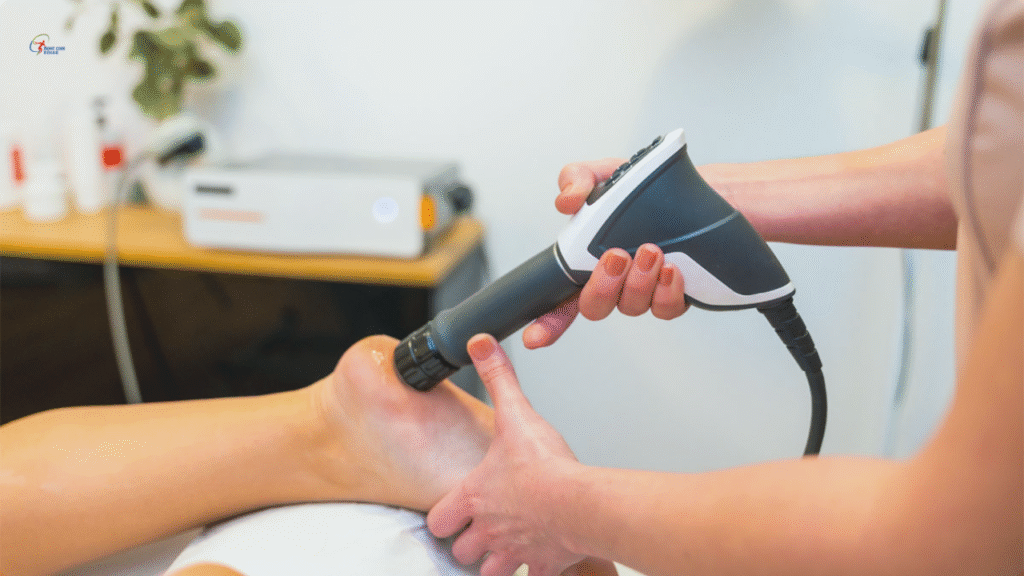
Shockwave Therapy uses acoustic waves that are directed toward the affected area. These waves interact with tissues beneath the skin and are intended to stimulate natural biological responses. The treatment is non-surgical, and each visit generally takes only a short amount of time.
During an appointment, a clinician applies a handheld device to the target area after using a conductive gel. Most people describe the sensation as repeated pulses or tapping. The intensity can usually be adjusted according to comfort and the area being treated.
This treatment is frequently included as part of a broader rehabilitation plan that may also involve stretching, strengthening exercises, movement education, and activity changes.
5 Benefits People Commonly Associate with Shockwave Therapy
1. May Support Recovery From Long-Standing Tendon Problems
One reason many people consider Shockwave Therapy is its use for tendon conditions that have lasted for several weeks or months. These conditions can make walking, lifting, gripping, running, or climbing stairs difficult.
The acoustic waves are intended to stimulate activity within the treated tissue. Combined with an appropriate rehabilitation program, this may support the body’s natural recovery process and encourage healthier tissue function over time.
Many people seek treatment after rest alone has not produced the progress they hoped for.
2. Can Help Improve Daily Movement
Pain often changes the way people move. They may avoid certain activities or compensate by placing extra stress on nearby muscles and joints.
As symptoms begin to settle, everyday tasks such as walking, reaching, carrying groceries, gardening, or participating in recreational activities may become more manageable. Improved movement can also make it easier to return to exercise routines with greater confidence.
Movement quality often plays an important role in long-term joint and muscle health, making rehabilitation exercises an important part of the overall plan.
3. Non-Surgical Option
Many individuals prefer to explore conservative care before considering surgical procedures. Shockwave Therapy is commonly chosen because it does not require incisions or hospital admission.
Appointments are generally completed in the clinic, allowing people to continue with most daily responsibilities shortly afterward. Since there is no surgical wound, recovery time associated with an operation is avoided.
For many people, the procedure makes it a practical option while continuing work, family commitments, and recreational activities.
4. Short Treatment Sessions
Busy schedules often make lengthy appointments difficult. Treatment sessions are commonly completed within 15 to 30 minutes, depending on the area being treated and the treatment plan.
Because appointments are relatively brief, many people consider it easier to fit them into their weekly routine. This convenience is one reason the treatment has become increasingly popular for active adults.
Although sessions are short, following home exercises and activity recommendations between visits remains an important part of rehabilitation.
5. Shockwave Therapy May Support the Return to Recreational Activities
Whether someone enjoys running, tennis, hiking, golf, gym workouts, or simply walking without discomfort, persistent pain can interrupt those activities.
When used alongside rehabilitation exercises and gradual activity progression, ShockwaveTherapy may help people work toward returning to activities they enjoy. Progress usually depends on the condition being treated, how long symptoms have been present, overall health, and following the recommended rehabilitation program.
Patience is important because tissue recovery generally occurs over time rather than immediately after one appointment.
What Are the Main Uses of Shockwave Therapy?
Healthcare professionals commonly use ShockwaveTherapy for a variety of musculoskeletal conditions. Some of the most common include the following:
Plantar Fasciitis
Persistent heel pain, especially during the first few steps in the morning, is one of the most frequent reasons people seek treatment.
Achilles Tendinopathy
Pain and stiffness in the Achilles tendon can affect walking, running, jumping, and sports participation.
Tennis Elbow
Pain on the outer side of the elbow can make gripping, lifting, typing, and household tasks uncomfortable.
Golfer’s Elbow
Although less common than tennis elbow, this condition affects the inner side of the elbow and can interfere with daily activities.
Shoulder Tendon Conditions
Combining treatment with movement exercises and strengthening may yield positive results for some shoulder tendon problems.
Patellar Tendon Pain
Athletes involved in jumping sports sometimes develop pain below the kneecap that limits performance.
Hamstring Tendon Problems
Persistent pain near the sitting bone or upper hamstring may also A rehabilitation program may also address persistent pain near the sitting bone or upper hamstring. within a rehabilitation program.
Calcific Shoulder Tendon Conditions
Some individuals with calcium deposits in shoulder tendons may receive this treatment as part of their care plan.
Chronic Muscle Tightness
Certain long-lasting muscle issues may also be addressed depending on clinical findings and individual assessment.
Not every condition is suitable for this treatment, which is why an assessment is important before beginning care.
How Often Should You Schedule Shockwave Therapy Visits?
The number of visits depends on several factors, including:
- The condition being treated
- How long symptoms have been present
- Tissue involved
- Activity level
- Individual response between appointments
For many tendon conditions, appointments are commonly scheduled once each week. A typical plan may involve three to six visits, although some people require additional sessions depending on progress.
Spacing visits about one week apart allows tissues time to respond before the next treatment. Attending appointments more frequently is not always necessary and does not automatically produce faster improvement.
Home exercises, stretching, strengthening, and activity changes often contribute significantly to overall progress. Following these recommendations consistently may influence recovery just as much as the treatment itself.
Your clinician will usually review progress at each visit and adjust the rehabilitation plan based on how your body responds.
How Long Does It Usually Take to Show Results?
People often ask how quickly changes may become noticeable after starting Shockwave Therapy.
The timeline varies considerably because every condition and every individual is different.
Some people notice changes after the first or second session. Others begin noticing gradual improvement after several weeks.
For chronic tendon conditions, noticeable progress often develops over six to twelve weeks because tissues continue responding even after the final appointment.
Several factors influence recovery, including:
- Severity of the condition
- Duration of symptoms before treatment
- Age
- Activity level
- Daily habits
- Following exercise recommendations
- Overall tissue health
It is important to remember that gradual improvement is common. The body needs time to adapt and rebuild affected tissues.
What Happens During a Visit?
Many first-time patients are curious about what to expect.
A visit commonly includes the following:
- Discussion of symptoms and daily activities
- Physical assessment
- Identification of the affected tissues
- Application of conductive gel
- Delivery of acoustic waves using a handheld device
- Review of home exercises
- Activity recommendations before the next visit
Some people experience mild soreness for a day or two after treatment. This is generally temporary and often settles without interfering with normal daily activities.
Tips for Supporting Recovery
While clinic visits are important, daily habits also influence progress.
Beneficial habits may include:
- Following prescribed exercises
- Staying active within comfortable limits
- Maintaining consistent appointment attendance
- Wearing supportive footwear when appropriate
- Gradually returning to sports rather than rushing back
- Maintaining healthy sleep habits
- Eating a balanced diet that supports tissue recovery
- Discussing any concerns during follow-up appointments
Recovery is usually the result of several factors working together rather than relying on a single treatment.
Is Shockwave Therapy Right for Everyone?
Although many people are suitable candidates, this treatment is not appropriate for every situation.
An assessment helps determine whether it matches your condition and medical history. Certain health conditions, recent injuries, or other factors may require a different rehabilitation approach.
This is why an individual evaluation is an important first step before beginning treatment.
Why Choose Right Care Rehab in Mississauga?
If you are looking for care for persistent muscle, tendon, or joint discomfort, Right Care Rehab in Mississauga provides assessment-driven rehabilitation focused on identifying the source of your symptoms. Every treatment plan is based on clinical findings, your daily activities, and your recovery goals.
The clinic also provides education and exercise programs that work alongside treatment sessions, helping patients build stronger movement habits while progressing toward their desired activity level.
Frequently Asked Questions
1. Is Shockwave Therapy painful?
Most people describe the sensation as repetitive pulses or tapping. The intensity can usually be adjusted to maintain comfort throughout the session.
2. How many Shockwave Therapy sessions are usually needed?
Many people attend between three and six sessions, although the exact number depends on the condition, symptom duration, and individual progress.
3. Can I exercise after Shockwave Therapy?
Light daily activities are often acceptable, but high-impact exercise may need to be limited for a short period depending on the treated area. Your clinician will provide instructions based on your condition.
4. Which conditions are commonly treated with Shockwave Therapy?
Common conditions include plantar fasciitis, Achilles tendon pain, tennis elbow, golfer’s elbow, shoulder tendon conditions, patellar tendon pain, and several other long-standing musculoskeletal conditions.
5. How soon can I expect improvement?
Some people notice changes after one or two sessions, while others require several weeks. Recovery depends on the condition, tissue involved, and following the recommended rehabilitation program.
Why Book Your Appointment at Right Care Rehab
Persistent pain does not have to keep you away from work, exercise, or the activities you enjoy. If you are considering Shockwave Therapy, the team at Right Care Rehab in Mississauga can assess your condition, explain your options, and create a rehabilitation plan that matches your needs. Contact Right Care Rehab today to schedule an assessment and take the next step toward improved movement and function.
