
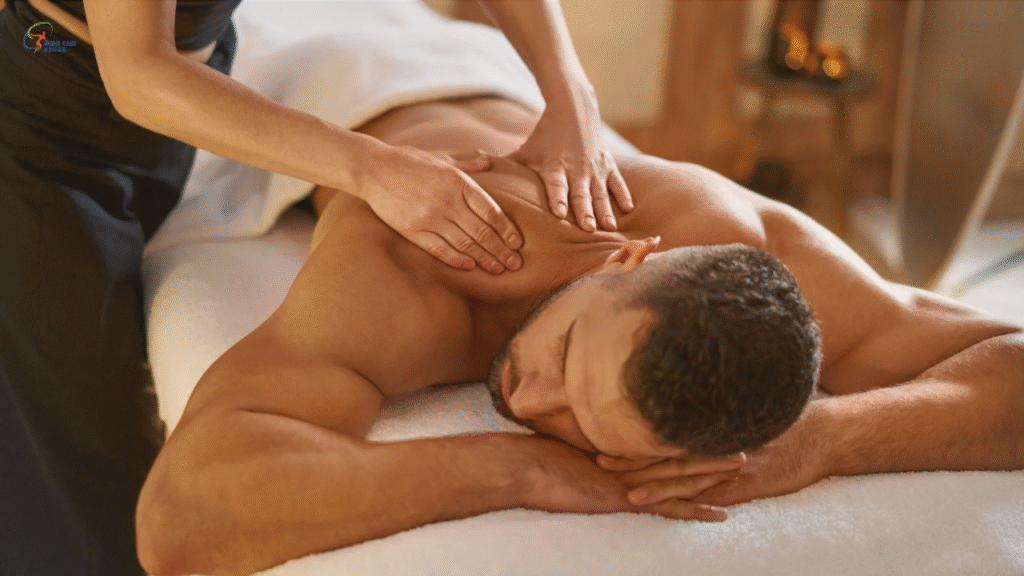
5 Warning Signs You May Need a Registered Massage Therapist
Could Everyday Muscle Tension Be a Sign You Should Pay Attention?
That tight neck after a long day. The stiff shoulders after hours at your desk. The soreness that returns every time you get back to the gym. Could these everyday symptoms be telling you something worth checking?
A registered massage therapist can assess certain muscle and soft-tissue concerns and provide massage-based care when appropriate. Recurring tension does not necessarily indicate the need for treatment, but persistent symptoms may warrant further examination.
What Does a Registered Massage Therapist Do?
A registered massage therapist works with soft tissues such as muscles and connective tissues. Massage therapy may be used as part of care for certain musculoskeletal concerns.
During an appointment, the practitioner may ask about your symptoms, daily activities, work demands, exercise routine, and previous injuries. They may also assess movement and areas of muscle tension.
Massage therapy can involve different hands-on approaches. The methods used depend on the person’s symptoms, physical presentation, and treatment goals.
People may seek registered massage therapy for several reasons, including:
- Muscle tightness after physical activity
- Stiffness associated with prolonged sitting
- Tension linked with repetitive movements
- Soreness after exercise
- Reduced comfort during daily activities
- Soft-tissue concerns following certain injuries
Massage therapy may also be used alongside physiotherapy. In some care plans, hands-on treatment is combined with movement exercises, activity changes, and education.
The key point is simple: massage therapy is not automatically suitable for every symptom. An assessment can help determine whether it fits your situation.
Why Do Everyday Problems Turn Into Recurring Muscle Tension?
Your daily routine may have more influence on muscle tension than you realize.
Consider a person who spends eight hours at a computer. Add a commute, household tasks, and a workout after work. The body may spend much of the day repeating the same positions or movements.
Mississauga residents can have many different work and activity routines. Office workers may sit for long periods. Drivers can spend hours behind the wheel. Tradespeople may lift, carry, bend, or reach repeatedly. Recreational athletes may place extra demands on certain muscle groups.
Common factors linked with recurring muscle tension include:
- Long periods of sitting
- Repetitive work
- Physically demanding jobs
- Sports and exercise
- Sudden increases in activity
- Previous injuries
- Repeated movement patterns
- Stress-related muscle tension
- Limited recovery between demanding activities
This conclusion does not mean one factor is responsible for every case. Muscle discomfort can have many causes.
That is why recurring symptoms deserve context rather than guesswork.
5 Warning Signs You May Need a Registered Massage Therapist
Sometimes the signs are easy to dismiss. A little stiffness here. A tight muscle there. Then the same problem appears again next week.
So when does ordinary soreness become something worth discussing with a healthcare professional?
Here are five signs to watch.
1. Muscle Tension Keeps Coming Back
You stretch. You move around. Maybe the tightness settles in for a while.
Then it returns.
Recurring muscle tension can become frustrating when it starts affecting work, exercise, sleep, or everyday movement. You may notice tight shoulders after work or a tense neck after spending hours at a computer.
It is worth noting that recurring tension can have several causes. Your work setup, movement habits, activity level, previous injuries, stress, and other factors may play a role.
A registered massage therapist can assess the soft tissues involved and discuss whether massage therapy may fit your needs.
If the tension keeps returning despite changes to your routine, an assessment may provide useful information about what could be contributing to it.
2. Your Range of Motion Feels Limited
You turn your head and notice that it does not move as freely as usual.
Or perhaps reaching overhead feels restricted. Your hips feel stiff after sitting. Your shoulders feel tight when you stretch.
These changes can be easy to ignore, particularly when there is little or no pain.
However, reduced movement can affect how you work, exercise, drive, sleep, or perform household tasks.
A movement restriction can have many possible causes. Muscle tension is only one possibility.
A healthcare professional can assess the situation and determine whether massage therapy, physiotherapy, or another form of care may be appropriate.
3. Soreness Continues After Physical Activity
Exercise can leave your muscles feeling sore. Short-term soreness after unfamiliar or demanding activity is common.
The bigger question is what happens next.
If soreness repeatedly interferes with your normal activities, keeps returning after similar workouts, or does not settle as expected, it may be worth discussing with a professional.
For example, you might notice that your shoulders remain uncomfortable after every upper-body workout. You might also notice that your legs feel unusually stiff after exercising regularly.
Instead of assuming every episode is ordinary post-workout soreness, consider the bigger picture.
Your training volume, exercise technique, recovery habits, previous injuries, and daily activities may all matter.
Massage therapy may be one part of care for some soft-tissue concerns. An assessment can help determine whether it is appropriate.
4. You Spend Much of the Day Sitting or Repeating the Same Movements
Here is a common pattern: eight hours at a desk, a long drive home, dinner, and more screen time.
The next morning, your shoulders feel tight again.
Long periods in one position can contribute to muscle discomfort for some people. Repetitive tasks may also place repeated demands on particular areas.
The same issue can occur with physically demanding work.
Lifting, carrying, standing, reaching, bending, and repeated manual tasks may place stress on muscles over the course of a workday.
You may notice:
- Neck or shoulder tension after computer work
- Back stiffness after driving
- Forearm tightness after repetitive tasks
- Leg stiffness after prolonged standing
- Muscle soreness after repeated lifting
Changing positions, taking movement breaks, and reviewing your activity habits may help.
If symptoms continue, an assessment can help identify factors that may be contributing to the problem.
5. Your Muscle Tightness Is Starting to Affect Daily Activities
This may be the point when a minor annoyance becomes a practical problem.
You might have trouble getting comfortable at night. Maybe you have started avoiding certain exercises. Perhaps household tasks feel more difficult than they used to.
Other examples include:
- Reduced comfort while working
- Difficulty completing workouts
- Avoiding particular movements
- Trouble finding a comfortable sleeping position
- Difficulty performing household activities
- Feeling stiff during ordinary movements
When muscle tightness begins changing what you do each day, it is reasonable to seek an assessment.
A registered massage therapist can discuss your symptoms and determine whether massage-based care is suitable. Depending on the findings, another healthcare professional may also be appropriate.
How Massage Therapy May Fit Into Physiotherapy Care
Massage therapy and physiotherapy can address different parts of a musculoskeletal care plan.
When clinically appropriate, they may be used together.
Assessment
Care usually starts with questions and an assessment.
A practitioner may ask about the following:
- Where you notice symptoms
- When they began
- What makes them worse or easier
- Your work routine
- Your exercise habits
- Previous injuries
- Daily activities
This information helps place your symptoms in context.
Soft-Tissue Techniques
Massage-based care can involve hands-on techniques directed toward muscles and other soft tissues.
The specific approach depends on the person’s presentation and treatment needs.
Massage should not be viewed as a universal answer to every physical complaint. Some symptoms require another form of assessment or care.
Movement and Exercise
Hands-on care may be combined with movement work.
Depending on your situation, physiotherapy may include exercises aimed at mobility, strength, coordination, or physical capacity.
This approach can be particularly relevant when recurring symptoms are connected with how you move or perform certain activities.
Activity Modification
Sometimes small changes to daily habits matter.
These may include changing work positions, taking regular movement breaks, adjusting exercise volume, or reviewing how certain tasks are performed.
The right changes depend on the individual and the activity involved.
Ongoing Monitoring
Symptoms can change over time.
A practitioner may review movement, activity tolerance, and symptom patterns during follow-up visits.
If the situation is not progressing as expected, the care plan may need to change or another healthcare professional may need to become involved.
Common Mistakes People Make When Muscle Tension Keeps Returning
Recurring tightness can lead people into a familiar cycle.
The symptom appears. They ignore it. It settles. They return to the same routine. Then it comes back.
Here are some common mistakes worth avoiding.
Ignoring Recurring Symptoms
A symptom that keeps returning deserves attention, particularly when it affects normal activities.
Recurring does not automatically mean serious. It does mean there may be a pattern worth reviewing.
Assuming Every Ache Is Ordinary Soreness
Not every ache has the same cause.
Post-exercise soreness, muscle tension, injury-related symptoms, and other concerns can feel different.
If you are unsure, assessment is more useful than guessing.
Stopping All Physical Activity
When something feels uncomfortable, avoiding movement completely can seem like the obvious answer.
However, the right activity level depends on the situation.
Some people may need temporary activity changes rather than complete inactivity. A healthcare professional can help determine what is appropriate.
Returning to Intense Exercise Too Quickly
Feeling somewhat better does not always mean you should immediately return to your previous workout intensity.
Gradually increasing activity may be more appropriate in some situations.
Spending Too Much Time in One Position
Hours of sitting or standing without movement can contribute to stiffness for some people.
Regular position changes and movement breaks can be practical steps during the day.
Self-Diagnosing From Online Searches
Search engines can provide information, but they cannot examine your movement or physical presentation.
A symptom can have several possible causes.
Use online information to prepare questions, not to diagnose yourself.
Focusing Only on the Painful Area
The area that feels tight may not tell the whole story.
Work habits, exercise patterns, movement strategies, previous injuries, and other factors can all matter.
A broader assessment can provide more context.
Not Seeking Assessment When Symptoms Change
If symptoms persist, become more frequent, interfere with daily activities, or change significantly, it may be time to speak with an appropriate healthcare professional.
Registered Massage Therapy in Mississauga
Searching for a Registered Massage Therapist in Mississauga often starts with a simple problem.
Your neck feels tight after work. Your back feels stiff after driving. Your muscles remain sore after exercise. Or you keep noticing the same tension during everyday tasks.
Mississauga has people with very different routines.
Office workers may spend much of the day at computers. Drivers may remain seated for extended periods. Recreational athletes may train several times each week. People in physically demanding occupations may lift, carry, reach, or stand for much of their shift.
Parents and active households can also place repeated physical demands on the body through childcare, errands, exercise, and household tasks.
For some people, registered massage therapy may form part of their approach to managing certain soft-tissue and musculoskeletal concerns.
The important question is not simply whether massage sounds appropriate.
The question is whether it fits your symptoms, health history, activities, and physical presentation.
When Should You Seek an Assessment?
You do not need to wait until a physical concern becomes disruptive before asking questions.
Consider arranging an assessment when:
- Symptoms continue rather than settling.
- Muscle tension repeatedly returns
- Your movement becomes more restricted.
- Symptoms interfere with work.
- Exercise becomes difficult.
- Symptoms follow an injury.
- The problem is becoming more frequent.
- Daily tasks are becoming uncomfortable.
At the same time, not every symptom should be managed through routine massage therapy.
Seek appropriate medical assessment for situations involving sudden severe symptoms, significant swelling, major injury, new weakness, numbness, loss of sensation, unexplained symptoms, or other concerning changes.
If symptoms appear unusual or severe, medical assessment may need to take priority.
A registered massage therapist can also advise when another healthcare professional may be more appropriate.
FAQs
What does a registered massage therapist do?
A registered massage therapist assesses certain soft-tissue and musculoskeletal concerns and provides massage-based care when appropriate. They may work with muscles and connective tissues using different hands-on approaches.
How do I know if massage therapy is appropriate for me?
Suitability depends on your symptoms, health history, activities, and assessment findings. A practitioner can discuss your concerns and determine whether massage therapy fits your situation.
Can massage therapy help with muscle tension?
Massage therapy may be used as part of care for certain types of muscle tension. Results vary between individuals, and recurring symptoms may have different causes. Assessment can help determine the appropriate approach.
Can massage therapy be combined with physiotherapy?
Yes. In some care plans, massage therapy and physiotherapy may be used together. Physiotherapy may include movement exercises, activity changes, and other approaches alongside hands-on care.
Do I need a referral to see a registered massage therapist in Mississauga?
Ontario residents can generally seek registered massage therapy without a physician referral. However, requirements can vary depending on insurance coverage, workplace arrangements, or other circumstances. Check your specific plan if you intend to submit receipts for reimbursement.
When should muscle discomfort be assessed by another healthcare professional?
Seek further assessment when symptoms are severe, unusual, worsening, associated with significant injury, or accompanied by new weakness, numbness, loss of sensation, major swelling, or other concerning changes.
Take the Next Step
Recurring muscle tension does not automatically point to one cause or one type of care.
However, when stiffness, soreness, or movement restrictions keep returning or begin affecting daily activities, a registered massage therapist can assess your concerns and help determine what type of care may be suitable.
We are located at 5390 Terry Fox Way, Unit 7, Mississauga, ON L5V 0A5, Canada.
Call Right Care Rehab at +1 905-781-8686 to discuss your symptoms or arrange an assessment.
