
7 Things to Know Before Considering Acupuncture Therapy
Could That Recurring Tension Be Telling You Something?
That stiff neck keeps coming back. Your shoulders feel tight after a full day at your desk. Maybe an old sports injury starts bothering you again after a workout.
So you search for acupuncture therapy and suddenly face a bigger question: Is it actually appropriate for what you are dealing with?
Before you book a session, there are several details worth knowing. Acupuncture can be used in some physiotherapy and rehabilitation settings, but it is not automatically suitable for every person or every condition.
Your symptoms, health history, activity level, and treatment goals all matter. Here are seven things to consider before making a decision.
What Is Acupuncture Therapy?
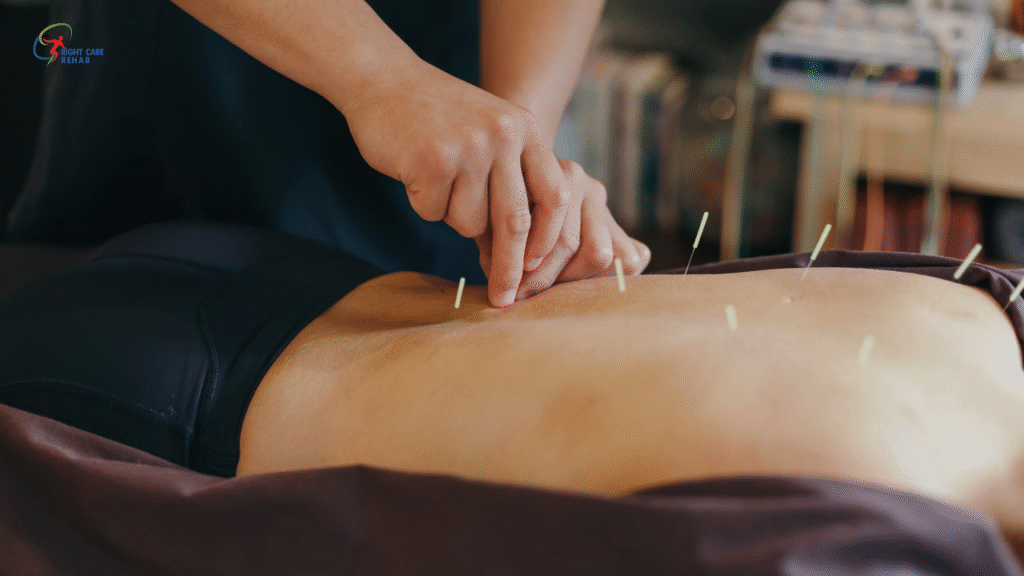
Acupuncture involves placing very thin, sterile needles into specific points on the body. In clinical settings, practitioners may use acupuncture as one part of a broader approach to managing certain musculoskeletal concerns.
People may ask about acupuncture when dealing with muscle tension, stiffness, sports-related concerns, or other physical complaints. The reasons for considering it can vary from person to person.
In a physiotherapy setting, an assessment can help determine whether acupuncture fits within the overall plan of care. That assessment may include questions about your symptoms, previous injuries, health history, movement, and daily activities.
A session may involve discussing your current concerns, preparing the treatment area, placing needles at selected points, and monitoring how you respond. The exact process can vary according to the practitioner and clinical setting.
The important point is simple: acupuncture is one treatment approach. It should be considered in the context of the person’s overall situation rather than as a stand-alone answer for every complaint.
7 Things to Know Before Considering Acupuncture
1. Know What You Want to Address
Here is a question many people skip: What exactly are you hoping to address?
“Everything feels tight” is understandable, but describing the main concern more clearly can help a physiotherapist decide what assessment may be useful.
People may ask about acupuncture for concerns involving:
- Muscle tension
- Stiffness
- Certain types of discomfort
- Sports-related concerns
- Physical strain after activity
- Mobility-related complaints
- Recurring symptoms during work or exercise
Consider when the issue started. Does it appear during movement? Does sitting for several hours make it more noticeable? Did it begin after a new workout, repetitive task, or physical activity?
These details can provide useful clinical information.
It is also important to remember that acupuncture is not automatically appropriate for every complaint. Some symptoms may require another form of physiotherapy care, while others may warrant medical assessment before treatment begins.
2. Your Medical History Matters
One common mistake could change what happens next: leaving out relevant health information.
Before acupuncture, tell your practitioner about health conditions, previous procedures, and other factors that may affect clinical decision-making.
Relevant information may include:
- Existing health conditions
- Previous surgeries or procedures
- Current treatments
- Pregnancy
- Skin conditions
- Bleeding or clotting concerns
- Previous reactions to acupuncture
- Any other factor your practitioner should know about
You do not need to decide which details matter on your own. Share the information and let the practitioner determine what is clinically relevant.
Open communication also matters during the appointment. If something feels unusual or concerning, say so.
Acupuncture involves needles entering the skin, so some temporary effects can occur. By discussing your health history beforehand, you enable the practitioner to assess the suitability of the approach and determine how to proceed.
3. Acupuncture Is Not a One-Size-Fits-All Approach
Two people can describe almost identical symptoms and still receive different clinical recommendations.
Why?
Because symptoms are only one part of the picture.
A physiotherapist may consider the following:
- Your symptom history
- Movement patterns
- Physical activity
- Work demands
- Previous injuries
- Daily habits
- Exercise routine
- Other relevant health factors
For example, two people with shoulder stiffness may have different contributing factors. One person may spend most of the day at a computer. Another may have recently increased gym activity.
That difference matters.
This is why a proper assessment can be useful before deciding whether acupuncture belongs in the treatment plan.
The goal is not simply to select a technique. The goal is to determine what approach makes sense for the person and the concern being assessed.
If acupuncture is considered, the practitioner may also discuss other components of care. The plan can change as symptoms and function change.
4. Ask How It Fits Into Physiotherapy
Could acupuncture be only one piece of a larger plan?
In some physiotherapy settings, yes.
Physiotherapy can involve several approaches depending on the person’s assessment and goals. These may include:
- Exercise
- Mobility work
- Strength training
- Movement retraining
- Manual techniques
- Activity modification
- Education about movement and daily activities
Acupuncture may be considered alongside these approaches when clinically appropriate.
This distinction matters because people sometimes focus on one treatment technique and overlook the rest of their rehabilitation.
For example, someone with recurring stiffness may benefit from discussing workstation habits, movement breaks, mobility exercises, and strengthening alongside any treatment technique being considered.
The wider plan may therefore involve more than what happens during a treatment session.
If you are considering acupuncture therapy, ask how it would fit into your overall physiotherapy plan. That question can help you gain a broader perspective before starting.
5. Know What a Session May Feel Like
Another question people often have is surprisingly simple: What will it actually feel like?
Acupuncture uses very thin needles inserted through the skin. People can respond differently to the process.
Some may notice a brief sensation during needle placement. Others may notice pressure, tingling, or a different local sensation. The response can vary according to the person, treatment area, and technique used.
You should communicate with the practitioner throughout the appointment.
If you notice something that feels unusual, uncomfortable, or concerning, mention it rather than silently trying to tolerate it.
After a session, some people may notice temporary effects around the treated area. Your practitioner can explain what you may notice and what you should report.
There is no need to assume that everyone will have the same response.
As with any clinical approach, asking questions beforehand can make the process clearer and help you know what to expect.
6. Ask About Safety and Practitioner Qualifications
Before trying acupuncture, ask questions.
That does not mean you need to approach the appointment with fear. It simply means you should know who is providing the treatment and how the clinic handles the procedure.
You can ask about:
- The practitioner’s credentials
- Training relevant to acupuncture
- Hygiene procedures
- Use of single-use sterile needles
- Your health history
- Potential risks
- Situations where acupuncture may not be appropriate
Needles should be handled using appropriate infection-control practices. Single-use sterile needles are commonly used in clinical acupuncture settings.
You can also tell your practitioner if you have had a previous reaction to acupuncture or have concerns about needles.
The conversation should be reciprocal. You provide relevant health information, and the practitioner explains the procedure and answers your questions.
If you are unsure about whether acupuncture is suitable for you, ask before treatment begins.
7. Know When Another Assessment May Be Needed
Not every recurring symptom should automatically lead to acupuncture.
Sometimes the bigger question is whether the symptom needs further assessment first.
Seek appropriate medical attention for symptoms such as:
- Sudden severe symptoms
- Significant weakness
- New or substantial numbness
- Loss of coordination
- Unexplained swelling
- Symptoms following major trauma
- Symptoms that change rapidly or seem unusual
These signs do not tell you what condition you have. They simply indicate that further assessment may be appropriate.
A physiotherapist can assess many musculoskeletal concerns, but physiotherapy is not a substitute for urgent medical care when warning signs are present.
This is one reason a clinical assessment matters. Before deciding on acupuncture therapy, the practitioner needs to consider whether the symptoms fit within the type of care they provide.
Why Are People Searching for Acupuncture Therapy?
Why does someone suddenly start looking into acupuncture?
Often, the search for acupuncture begins due to a common issue.
A person may notice recurring muscle tension after several hours at a desk. Another may feel stiff after exercise. Someone who plays recreational sports may notice a recurring physical complaint after training.
Other people may simply be interested in non-drug approaches as part of their broader care.
Common reasons people may ask about acupuncture include:
- Recurring muscle tension
- Stiffness
- Sports-related discomfort
- Work-related physical strain
- Recovery concerns
- Physical complaints that interfere with daily activities
- Interest in acupuncture as part of physiotherapy
The reason for searching matters.
Someone with a short-lived issue after an unusually demanding workout may have different needs from someone with symptoms that have persisted for months.
That is why the first step should not necessarily be choosing a treatment technique. It can be figuring out what is contributing to the problem and what type of care may be appropriate.
How Acupuncture May Fit Into Physiotherapy Care
Assessment
The process can start with an assessment.
A physiotherapist may ask about your symptoms, when they started, activities that affected them, and previous injuries. Movement and physical function may also be considered.
This information helps establish whether acupuncture should even be considered.
Treatment Planning
If acupuncture appears appropriate, the practitioner can discuss how it may fit into your wider care plan.
The plan may involve acupuncture alongside exercise, mobility work, strengthening, or other physiotherapy approaches.
The exact combination depends on the individual situation.
Exercise and Movement
Here is another detail worth remembering: treatment does not necessarily end when you leave the clinic.
Exercise and movement may remain important parts of physiotherapy care.
Depending on the assessment, the treatment plan could involve strengthening certain areas, improving mobility, changing movement habits, or gradually returning to activities.
The aim is to address the person’s functional needs rather than focusing only on one appointment or technique.
Progress Monitoring
Your response can be monitored over time.
This may involve discussing changes in symptoms, movement, daily activities, and physical function.
If something is not progressing as expected, the care plan may need to be reconsidered.
That ongoing review is important because physiotherapy should respond to the person’s changing situation rather than follow a fixed formula.
Common Mistakes People Make Before Trying Acupuncture
Could a few assumptions hinder the process before the first session?
Here are several common mistakes to avoid.
Assuming acupuncture suits every problem.
Different symptoms can have different causes. An assessment can help determine whether acupuncture is appropriate.
Failing to disclose relevant health information.
Pregnancy, skin concerns, bleeding or clotting issues, previous procedures, and other clinical details may matter.
Expecting an immediate result.
Individual responses vary. Avoid assuming that one session will produce a predictable change.
Ignoring symptoms that need medical assessment.
Sudden severe symptoms, major weakness, significant numbness, or symptoms after major trauma should not simply be attributed to muscle tension.
Treating acupuncture as a substitute for movement rehabilitation.
Exercise, strengthening, mobility, and activity changes may remain important parts of physiotherapy.
Not asking about qualifications and hygiene.
You have every right to inquire about the provision of acupuncture and the safety protocols in place.
Failing to mention unusual reactions.
If something feels concerning during or after treatment, tell your practitioner.
These questions do not need to complicate the process. They can simply help you make an informed decision.
Acupuncture Therapy in Mississauga
People searching for acupuncture therapy in Mississauga may have very different reasons for doing so.
Mississauga has a wide range of work, commuting, and recreational and fitness routines. Long periods at a desk can place physical demands on the body. So can gym sessions, recreational sports, repetitive tasks, and physically demanding work.
Everyday activities can also contribute to stiffness or recurring discomfort.
For someone considering acupuncture in Mississauga, the key question is not simply where the treatment is available. It is whether the approach fits the person’s symptoms and overall physiotherapy needs.
A physiotherapy assessment can help put the complaint into context.
That may include looking at movement, strength, mobility, activity levels, and previous injuries. From there, the practitioner can discuss whether acupuncture or another physiotherapy approach makes sense.
The same principle applies whether your concern comes from office work, exercise, commuting, or another routine activity.
Who May Want to Ask About Acupuncture?
You may wish to discuss acupuncture with a physiotherapist if you are dealing with concerns such as the following:
- Recurring muscle tension
- Stiffness
- Certain movement-related complaints
- Sports-related discomfort
- Physical strain from work
- Recovery concerns
- Symptoms that interfere with everyday activities
That does not mean acupuncture is automatically appropriate.
Suitability depends on your health history, symptoms, and assessment.
If symptoms are unexplained, severe, rapidly changing, or associated with warning signs, another type of assessment may be needed first.
FAQs
Is acupuncture appropriate for every type of pain?
No. Acupuncture is not automatically suitable for every type of pain or physical complaint.
A physiotherapy assessment can help determine whether acupuncture fits the situation or whether another approach should be considered.
How does acupuncture fit into physiotherapy?
Acupuncture may be used as one component of physiotherapy care when clinically appropriate.
A broader plan may also include exercise, mobility work, strengthening, movement retraining, manual techniques, and activity modification.
What should I tell my physiotherapist before acupuncture?
Share relevant health information, including existing conditions, previous procedures, pregnancy, skin concerns, bleeding or clotting concerns, and previous reactions to acupuncture.
If you are unsure whether something matters, mention it and let the practitioner decide its clinical relevance.
What does acupuncture feel like?
People can notice different sensations during acupuncture. Some may feel a brief sensation during needle placement, while others may notice pressure, tingling, or another local sensation.
Responses vary, so communicate with your practitioner if anything feels unusual or concerning.
How often might acupuncture sessions be recommended?
There is no single schedule that applies to everyone.
The number and frequency of sessions can depend on the person’s symptoms, clinical assessment, response, and wider physiotherapy plan.
Your practitioner can discuss the proposed schedule with you.
Do I need a referral to see a physiotherapist in Mississauga?
Referral requirements can depend on the circumstances and the type of care you are seeking.
If you are unsure, contact the clinic you plan to visit and ask about its current process before arranging an appointment.
Moving Forward
Before considering acupuncture therapy, remember the seven key points: know what you want to address, share your health history, recognize that treatment varies between people, ask how acupuncture fits into physiotherapy, know what a session may feel like, ask about safety and qualifications, and recognize when another assessment may be needed.
Acupuncture may be appropriate for some people and concerns, but it is not a universal answer.
If recurring symptoms interfere with work, exercise, or everyday activities, an assessment can help clarify what may be going on and what forms of care may be appropriate.
If you are considering acupuncture as part of physiotherapy care in Mississauga, call Right Care Rehab at +1 905-781-8686 to discuss your concerns and arrange an assessment.
We are located at 5390 Terry Fox Way, Unit 7, Mississauga, ON L5V 0A5, Canada.
